Postdoc Jakub Hrubý Joins Magnetochemistry as Guest Editor for Magnetic Materials Special Issue

Congratulations to our Postdoc Dr. Jakub Hrubý for being appointed as a Guest Editor for a Special Issue in Magnetochemistry (ISSN 2312-7481), under the section Magnetic Materials! This Special Issue invites contributions exploring magnetism in metal–organic frameworks (MOFs), including studies on:

🧲Single-molecule magnets

🧲Quantum bits (qubits)

🧲Organometallic systems linked to MOFs

Interested authors can find more details here:
🔗 Special Issue Link

The Special Issue focuses on both experimental and theoretical investigations, including proof-of-concept studies with potential applications in diverse areas such as quantum information science, magnetic catalysis, high-temperature magnetism, battery technology, gas sensing, and energy storage and harvesting.

Molecular Magnetism in North America (MAGNA), Feb 28 – Mar 03, 2025, FSU

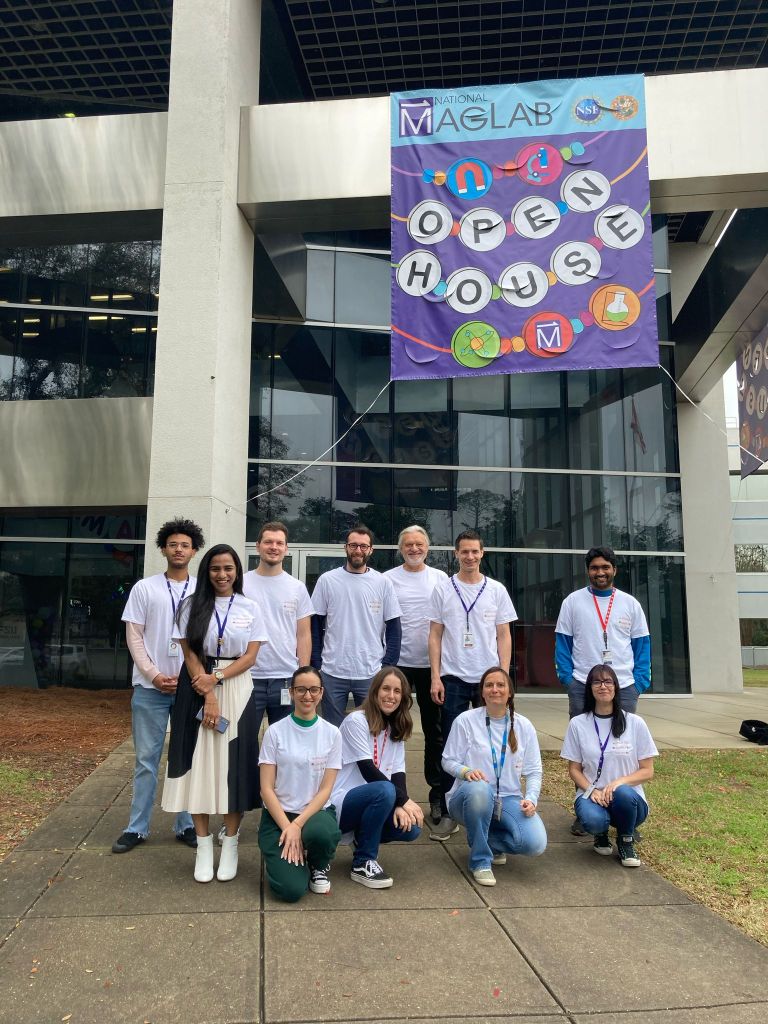
Team EMR attended MAGNA-2025, the 4th Conference on Molecular Magnetism in North America, held from February 28 to March 3, 2025, at Florida State University, Tallahassee. The conference brought together researchers to discuss the chemistry and physics of molecular magnets, including organic radicals, transition metals, lanthanides, actinides, and other magnetic materials.

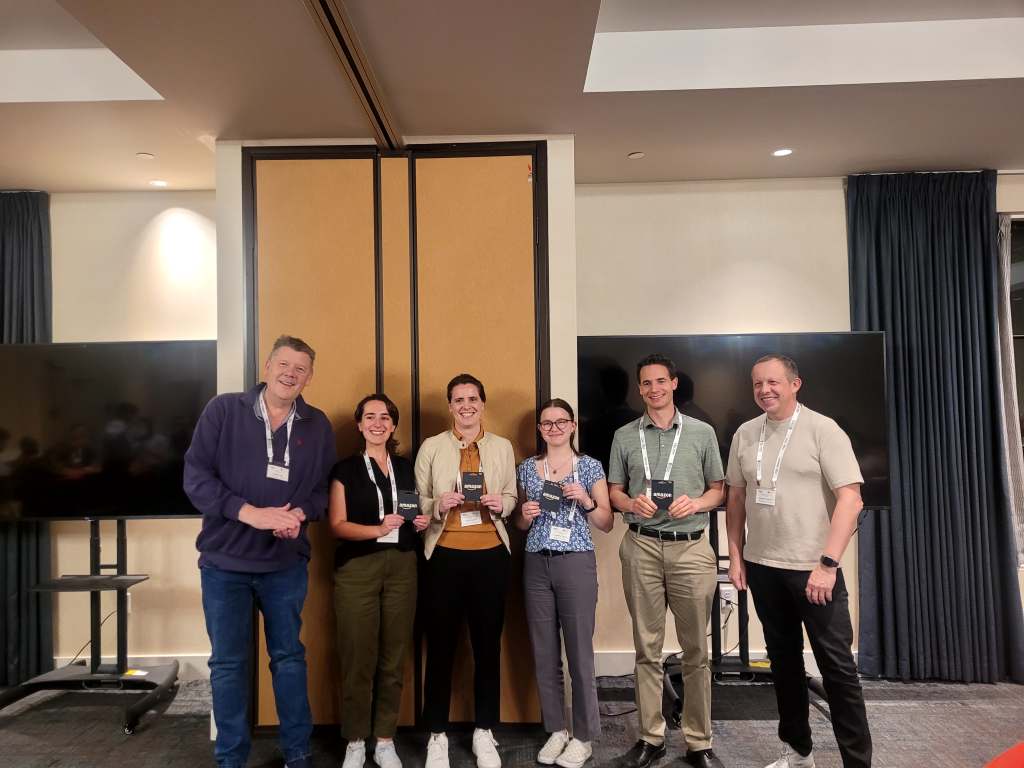
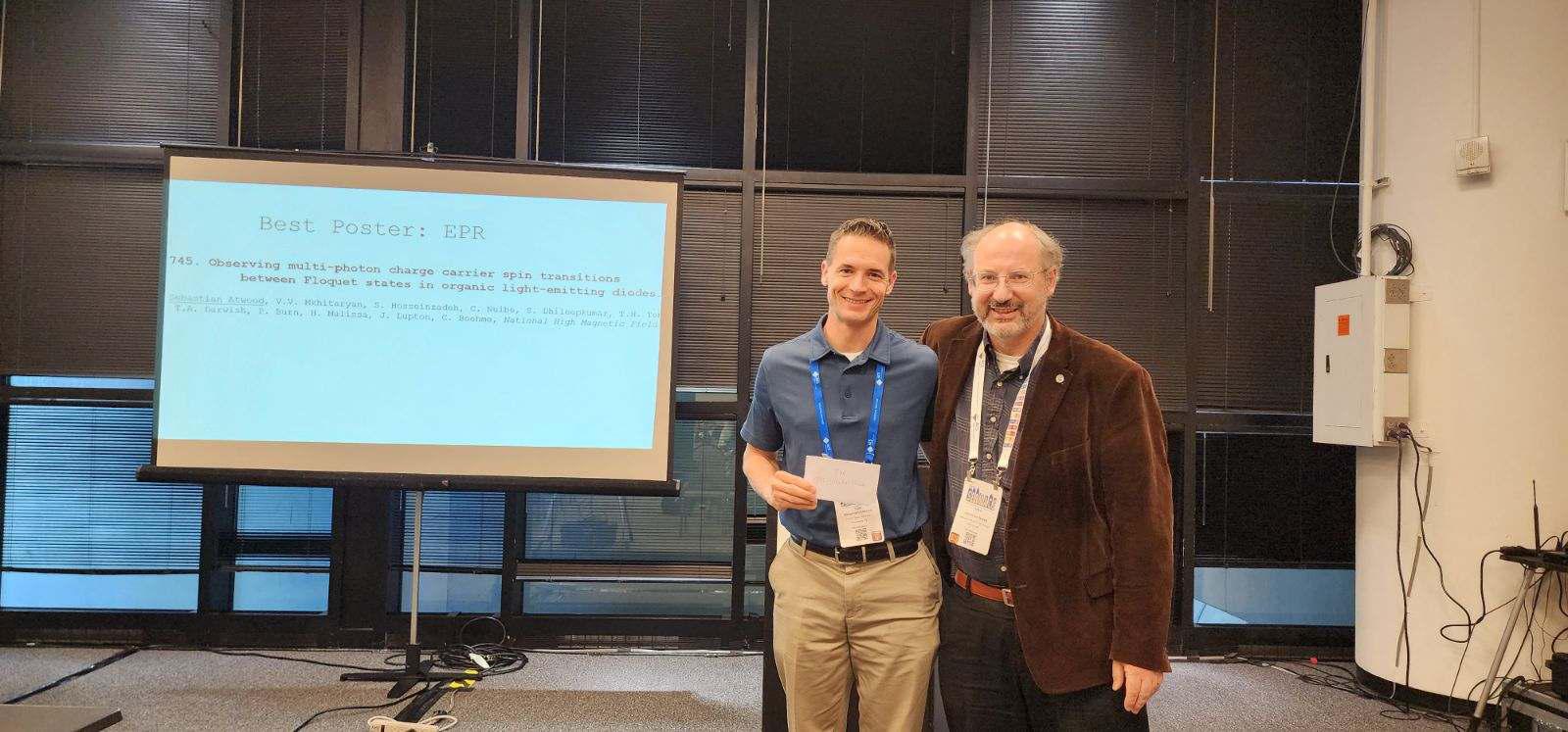
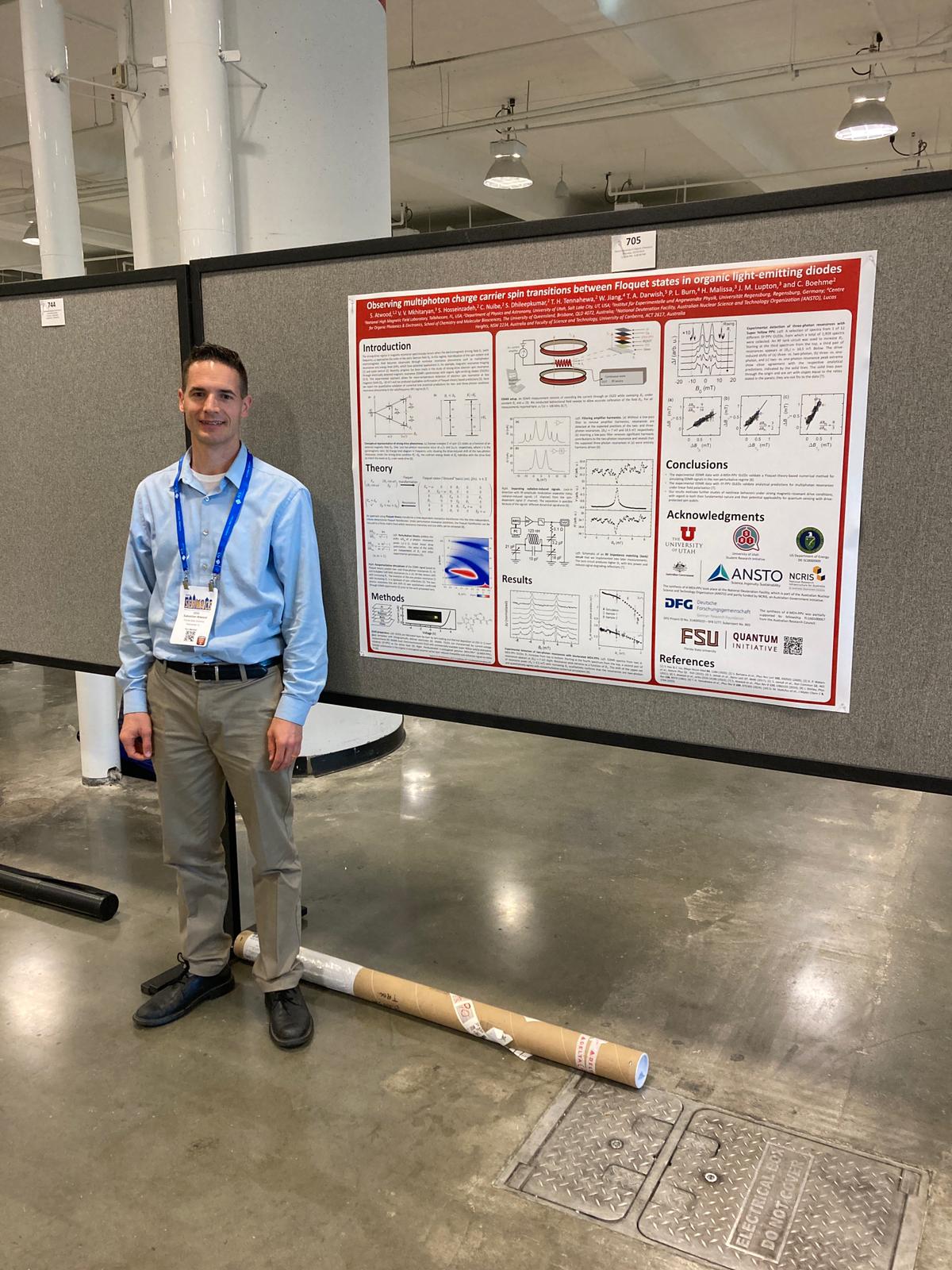
Team EMR had a fantastic presence at MAGNA-2025, with exciting achievements and contributions! Postdoc, Sabastian Atwood once again took home the Best Poster Award – a well-deserved recognition for his outstanding work. Huge Congratulations! READ MORE

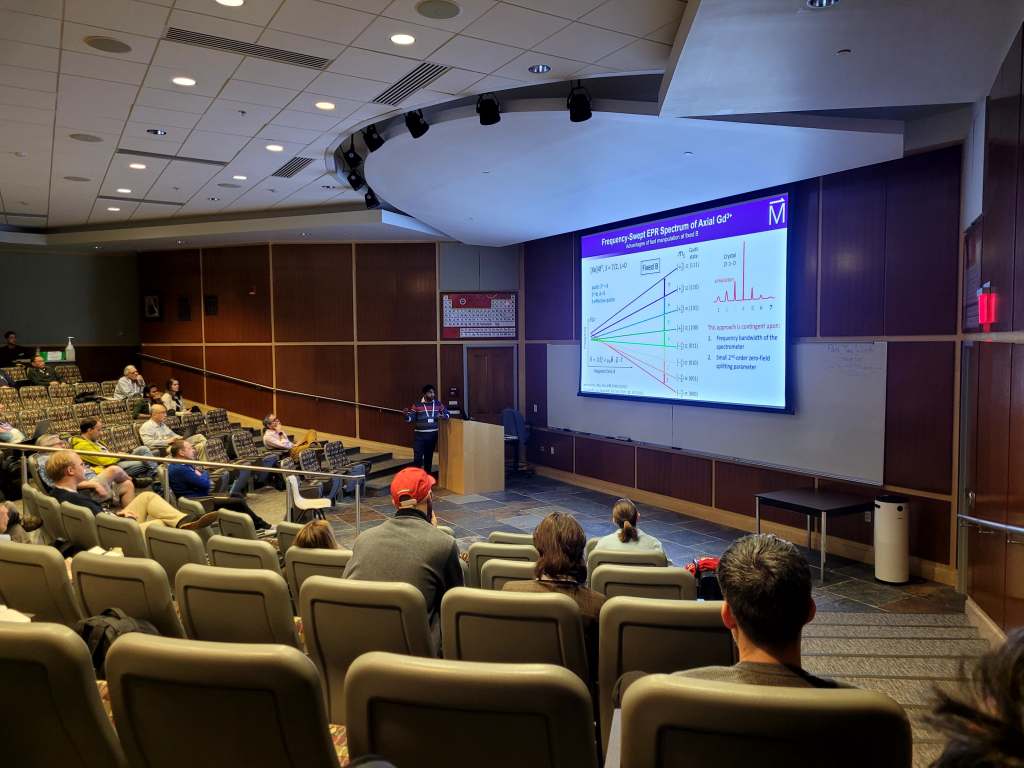
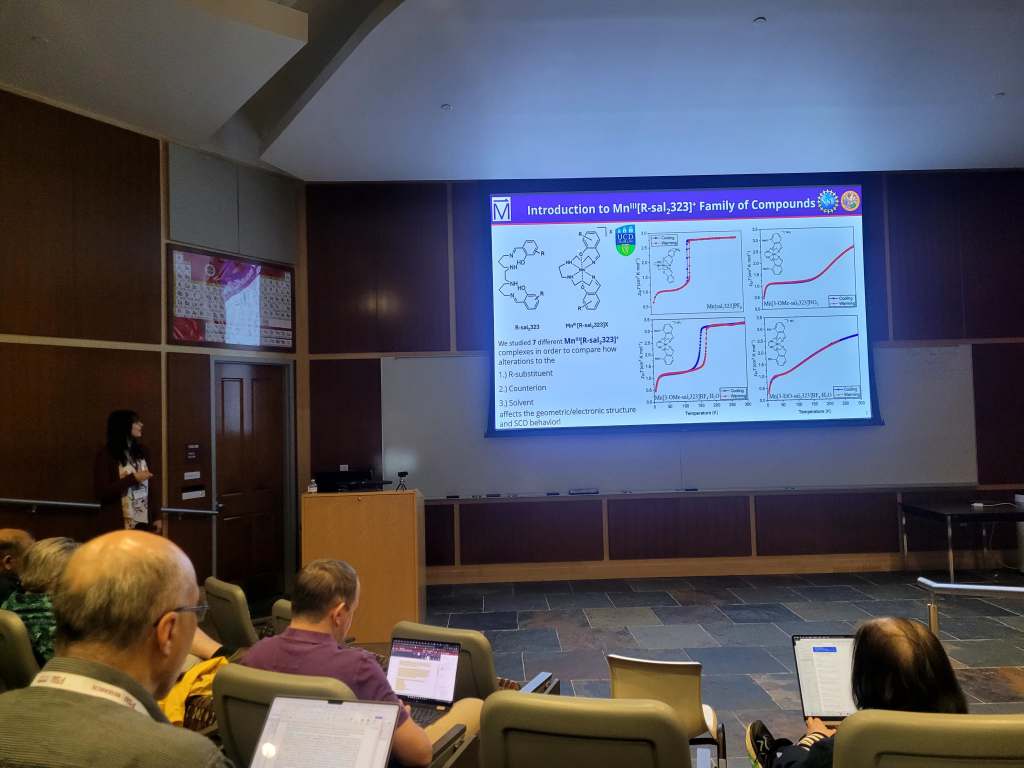
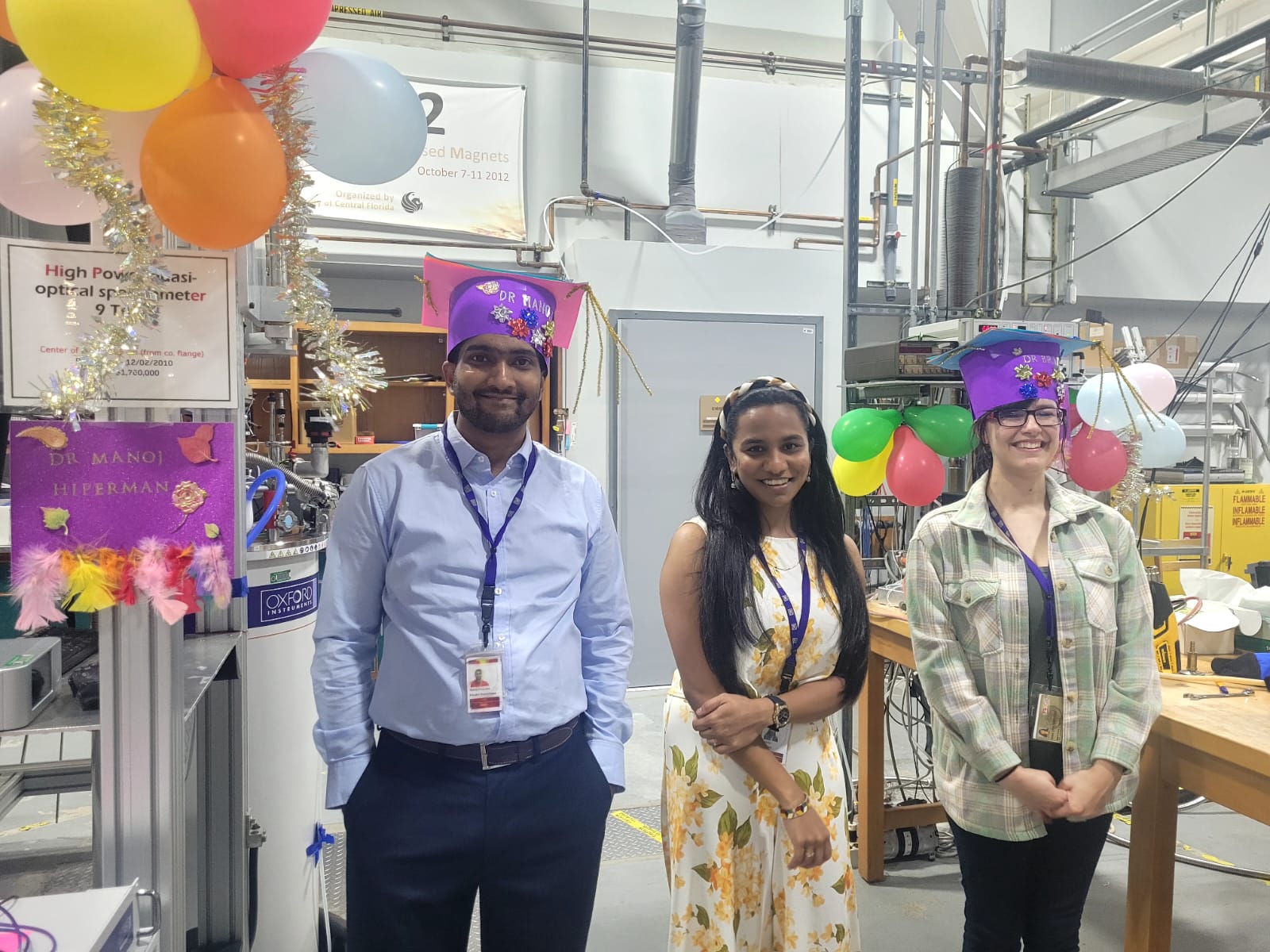
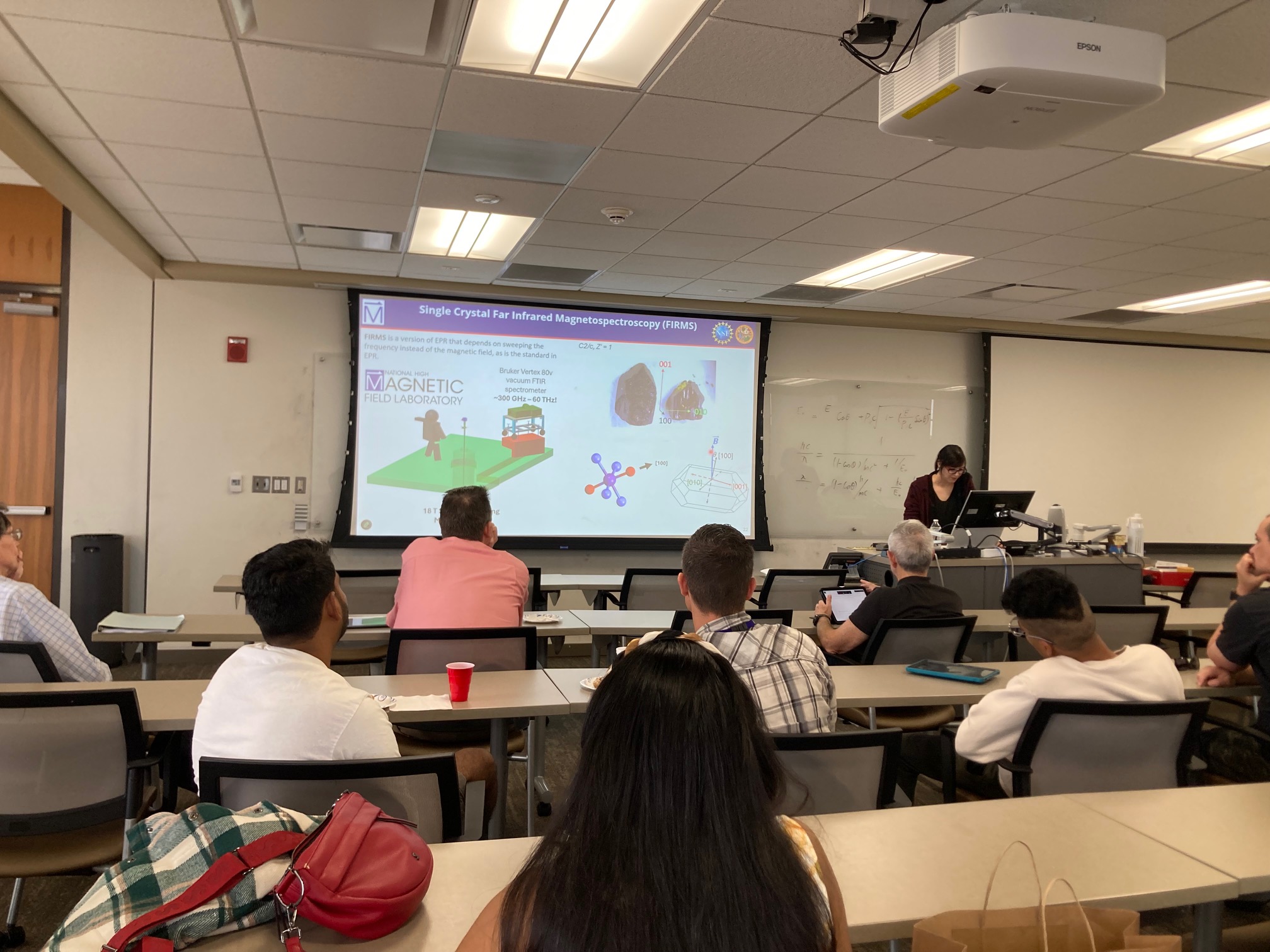
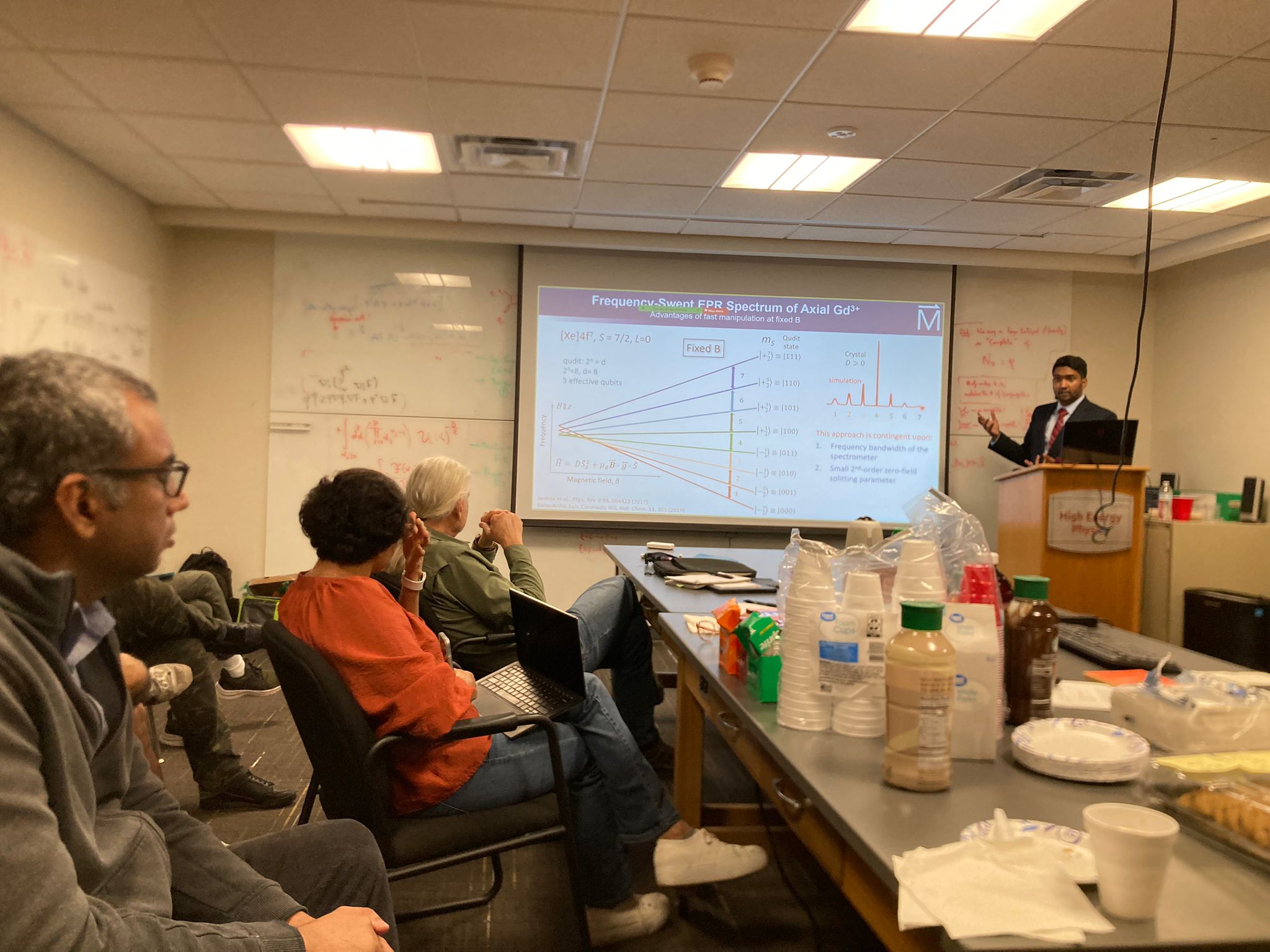
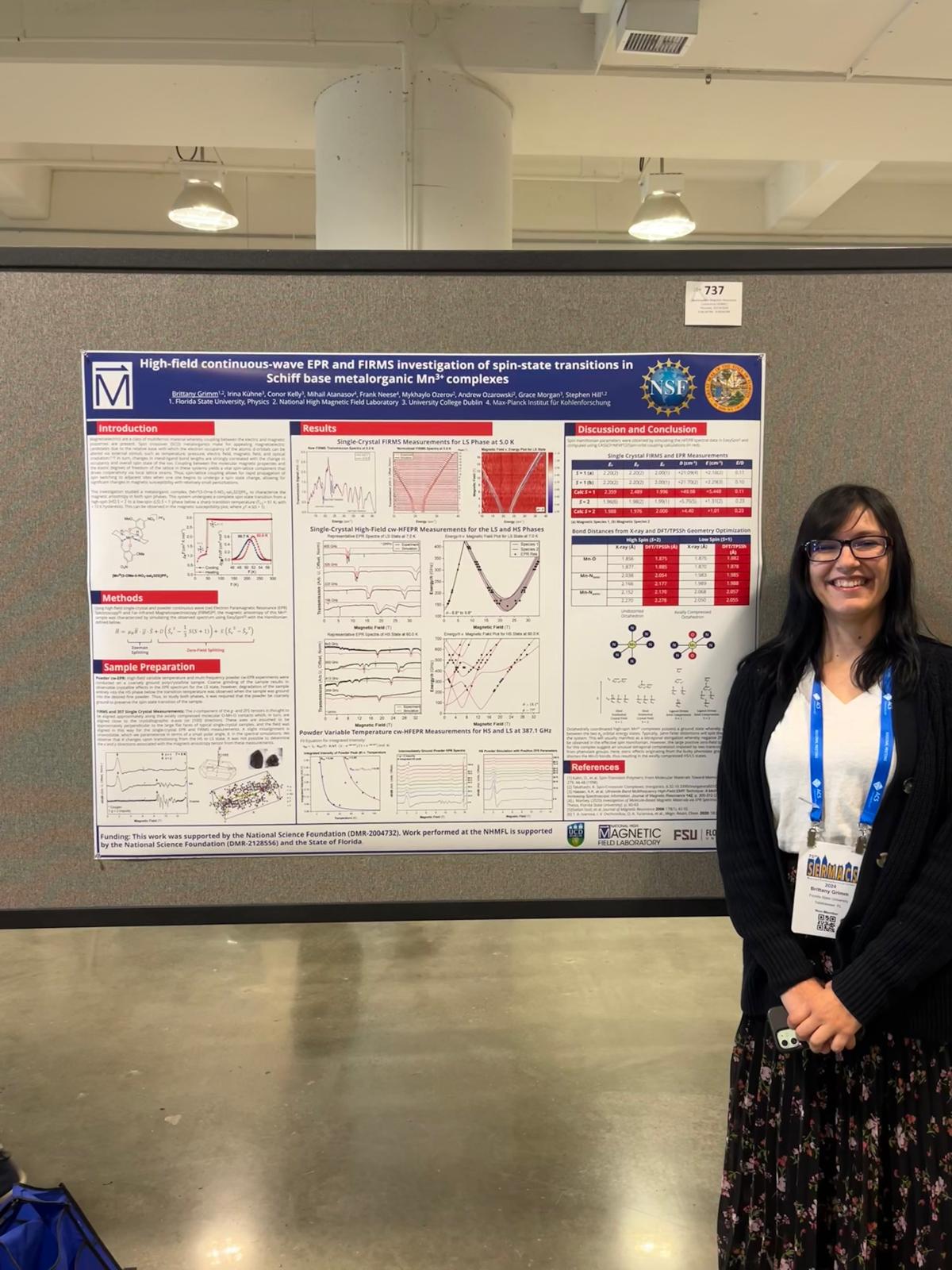
Postdocs Manoj Subramanya (Talk: Spin population control in a molecular GdIII qudit using wideband chirped pulses) and Brittany Grimm (Talk: EPR and FIRMS characterization of the magnetic anisotropy in a set of MnIII[R-sal2323]+ spin-crossover complexes) delivered engaging talks, while other postdocs and students showcased their research through poster presentations. The conference was a great platform for discussions and discoveries in molecular magnetism, making it a rewarding experience for all!

Dirac Quantum Discussions, Feb 25-27, 2025, MagLab

The Dirac Quantum Symposium, organized by the FSU Quantum Initiative, highlighted cutting-edge research in Quantum Science and Engineering (QSE) held at the MagLab.

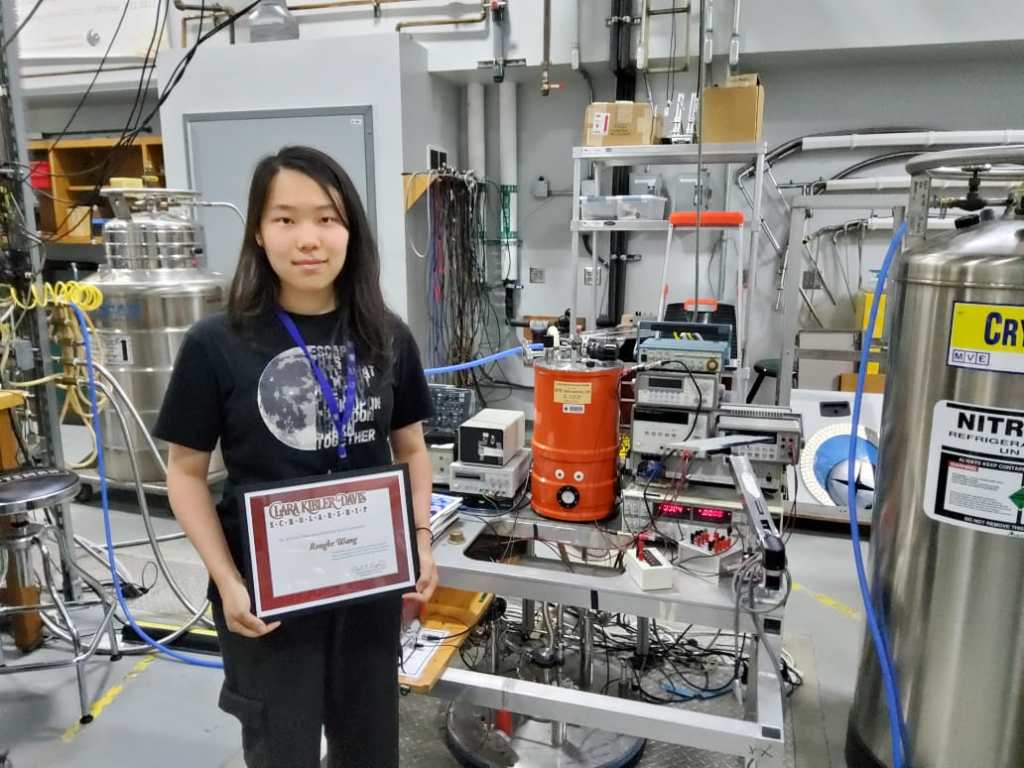
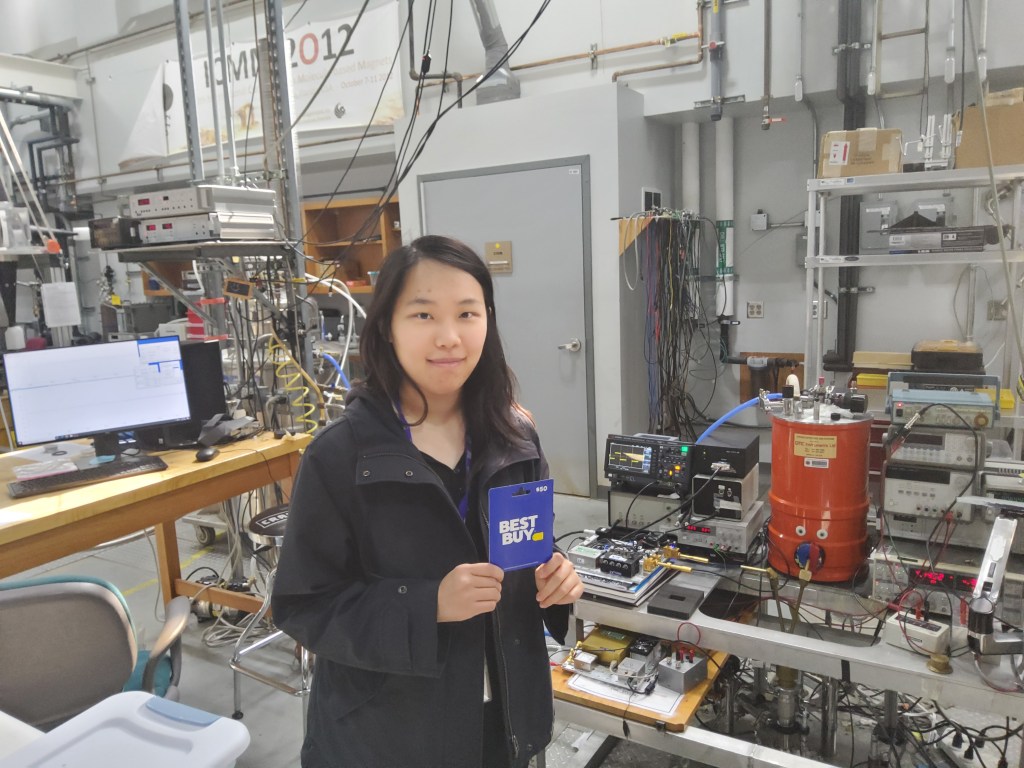
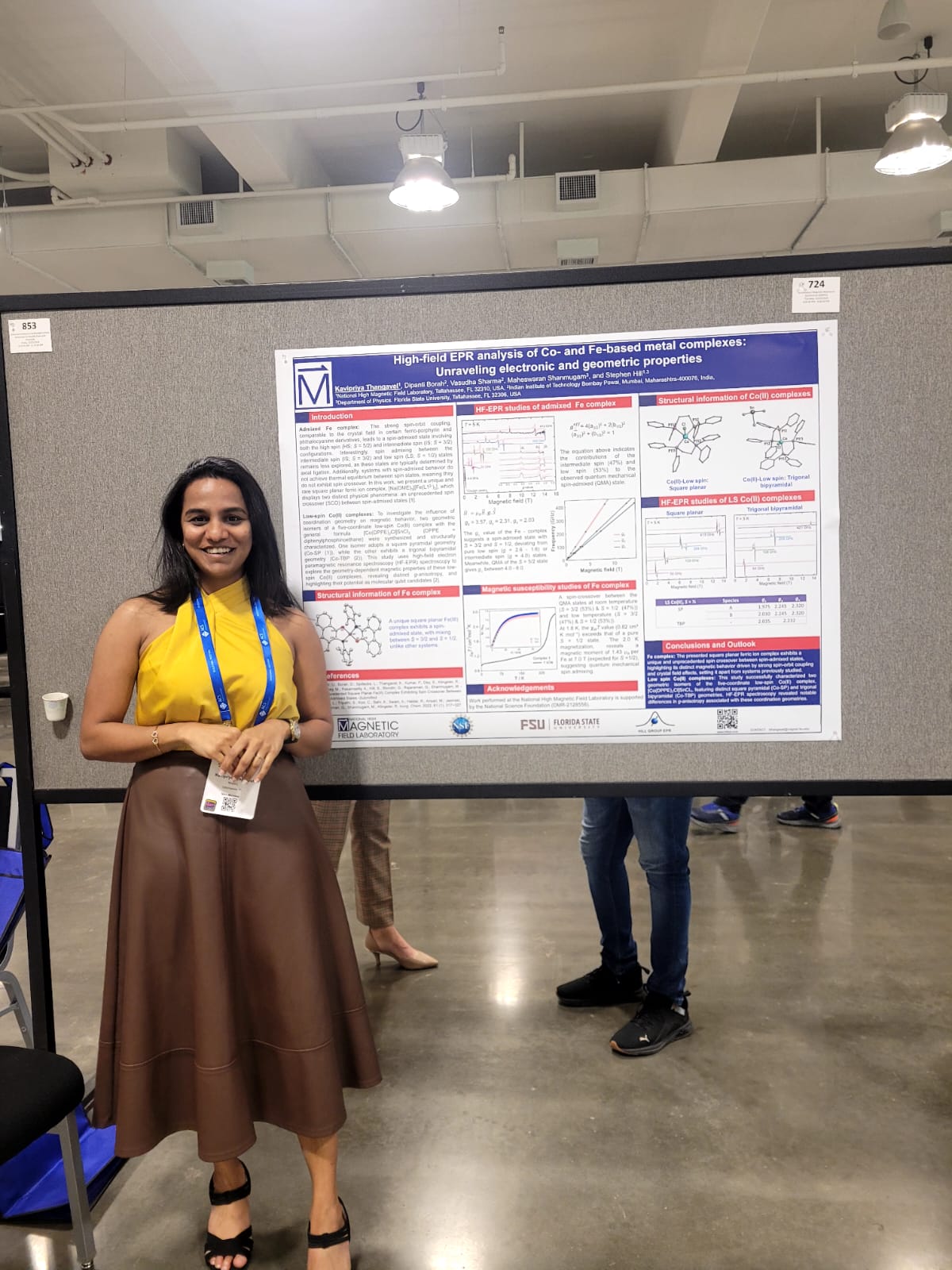
Team EMR secured a poster prize once again this year, with a special congratulations to Ronghe Wang for winning first place in her poster presentation! Congratulations, Erin!

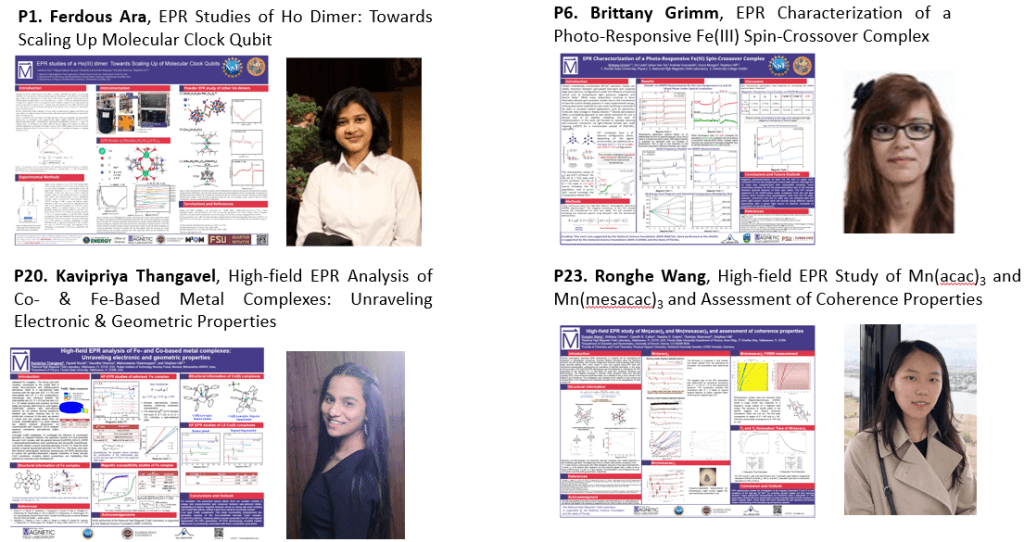
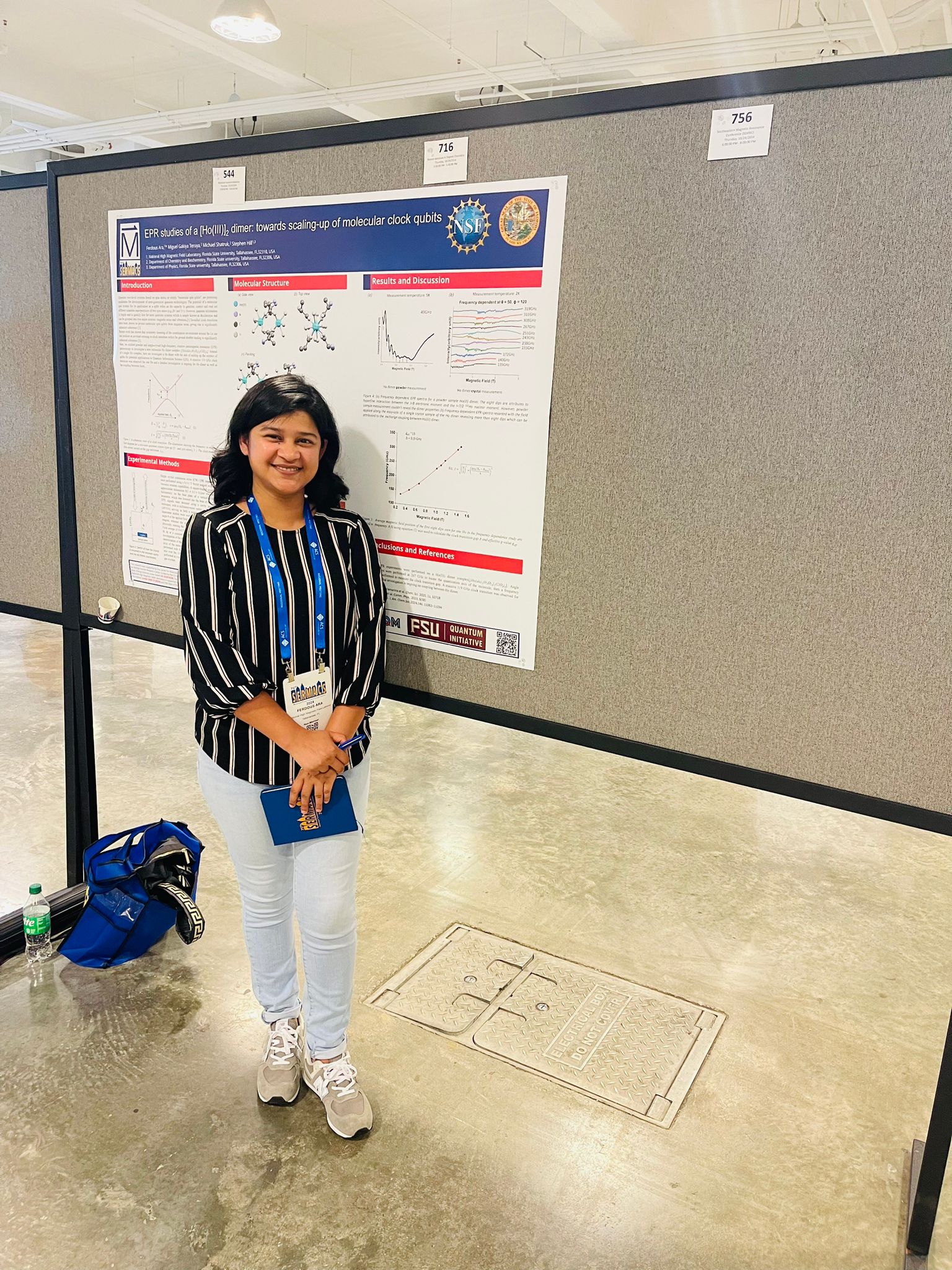
Postdoc Jakub Hruby presented his talk on “High-Field EPR Results in Lanthanides,” while postdocs Sabastian Atwood, Ferdous Ara, Kavipriya Thangavel, and Brittany Grimm showcased their research in the poster session.

The event provided a great platform for knowledge exchange and collaboration in the field of quantum science.

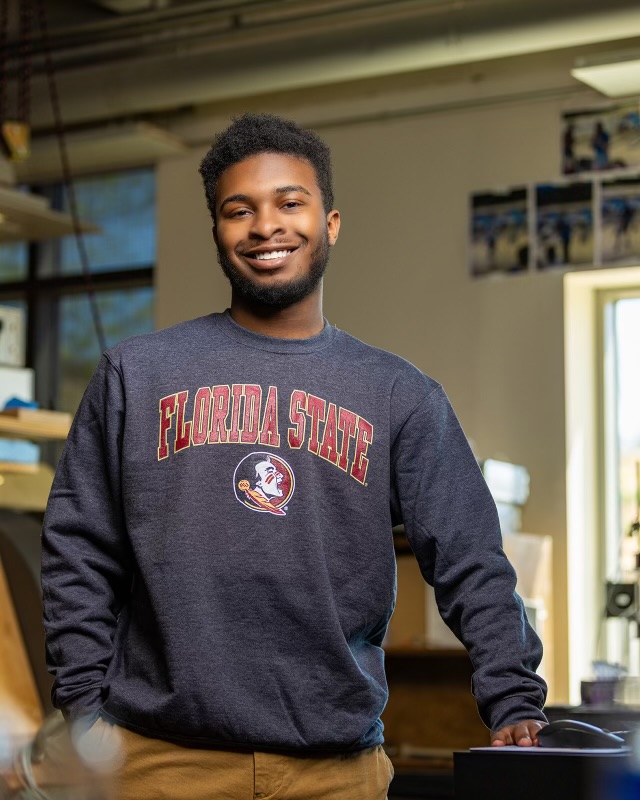
NEW TEAM MEMBER – Ivan Weaver

Van received his Bachelor of Science in chemistry from Furman University. At Furman, he worked as a research assistant under Dr. Lauren Jarocha and Dr. Christian Kerpal. There he studied donor-acceptor radical pair mechanisms and their involvement in bird magnetoreception. His main focus was studying mixed catanionic surfactant systems and their ability to force prolonged spin coherence between magnetically generated radical pairs. Outside of the laboratory, Ivan loves to play sports, especially badminton and basketball and is an avid baker and cook. Ivan is now pursuing his PhD at Florida State University and is excited to join the Hill group.

Welcome to the team!

Annika and Andrew join as REU students

Annika Lagy uses electron paramagnetic resonance (EPR) spectroscopy to characterize the differences between a group of five Ni samples with different ligands. Each Ni sample is ground into a fine powder and placed in the center of a magnet where it is irradiated with microwaves. Due to the Zeeman effect, when a magnetic field is applied, the spin states of unpaired electrons in the Ni become non-degenerate and the difference in energy between them increases linearly with the magnetic field. There is a particular magnetic field value where this energy difference is in resonance, or proportional to the microwave frequency, allowing the electrons to be excited to a different spin state. In EPR, the magnetic field is swept at a constant microwave frequency and an absorption spectrum is recorded to detect when these excitations occur. Due to the large zero-field splitting in the Ni samples and the restriction of using frequencies below 600 GHz in EPR, we are primarily observing the parallel mode transitions between the +1 and -1 spin states.

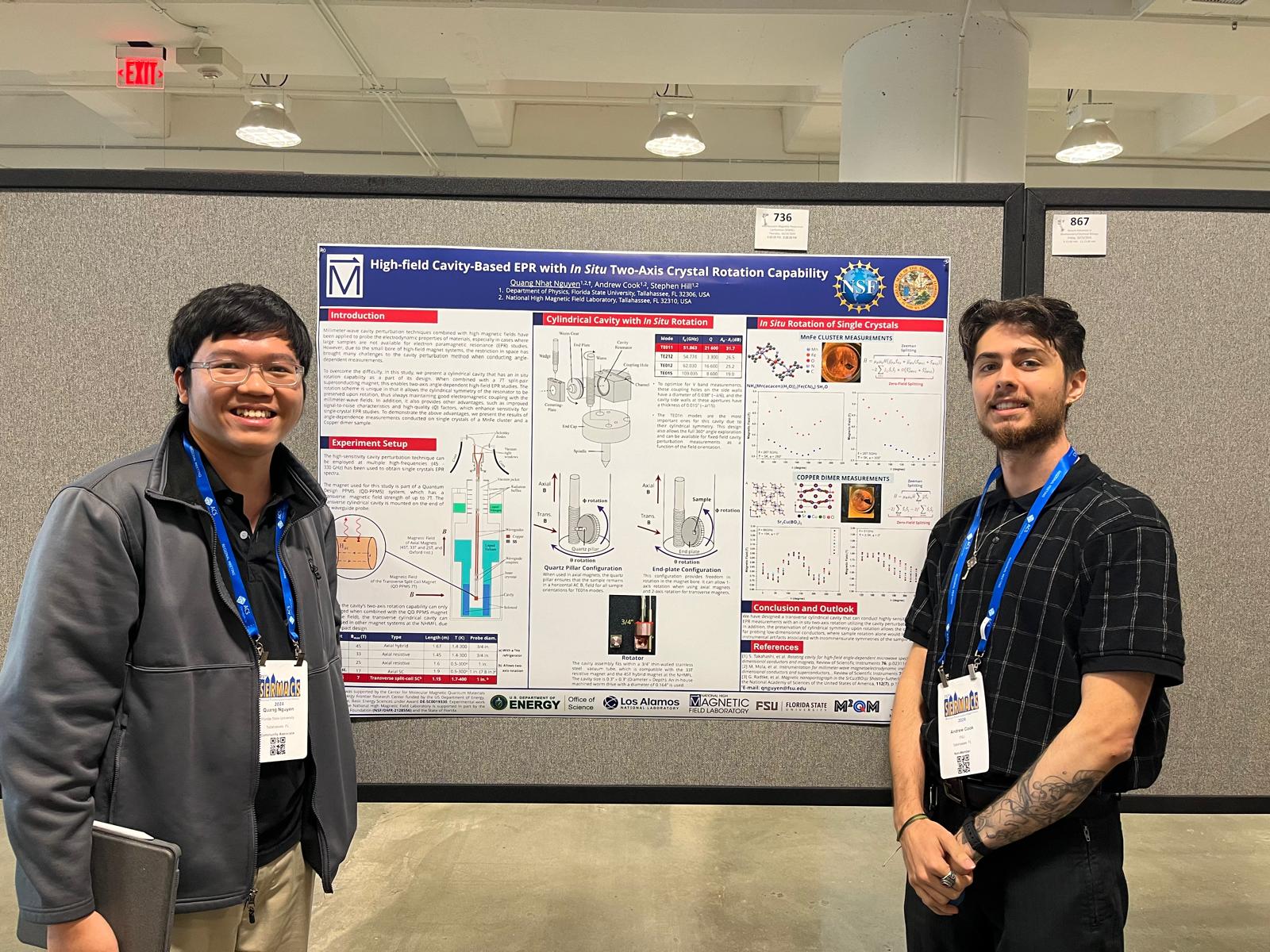
Andrew Cook studies single-crystal samples that are mounted onto a probe capable of in situ two-axis sample rotation. The probe is then loaded into the center of a horizontal-field, split-pair magnet encased in a cryogenic chamber. The special electron configuration of interesting samples allow for unpaired electrons to be studied using this experimental setup. There are multiple EPR detection schemes, the method we use is just one of these. With our method, Microwave frequencies are generated, sent to the sample, retrieved, analyzed, and compared, using a custom network of electronics. Excitations in the unpaired electrons can be inferred through these signals. The excitation from one energy level to another in the presence of a magnetic field, known as resonance, is of focus to my cohort. On top of differences due to electronic structure, differing the values for the orientation of the sample, microwave frequency, chamber temperature and magnetic field strength all have an effect on how a resonance occurs. EPR has various applications in Quantum Information/Computing, Chemistry, and Biology.

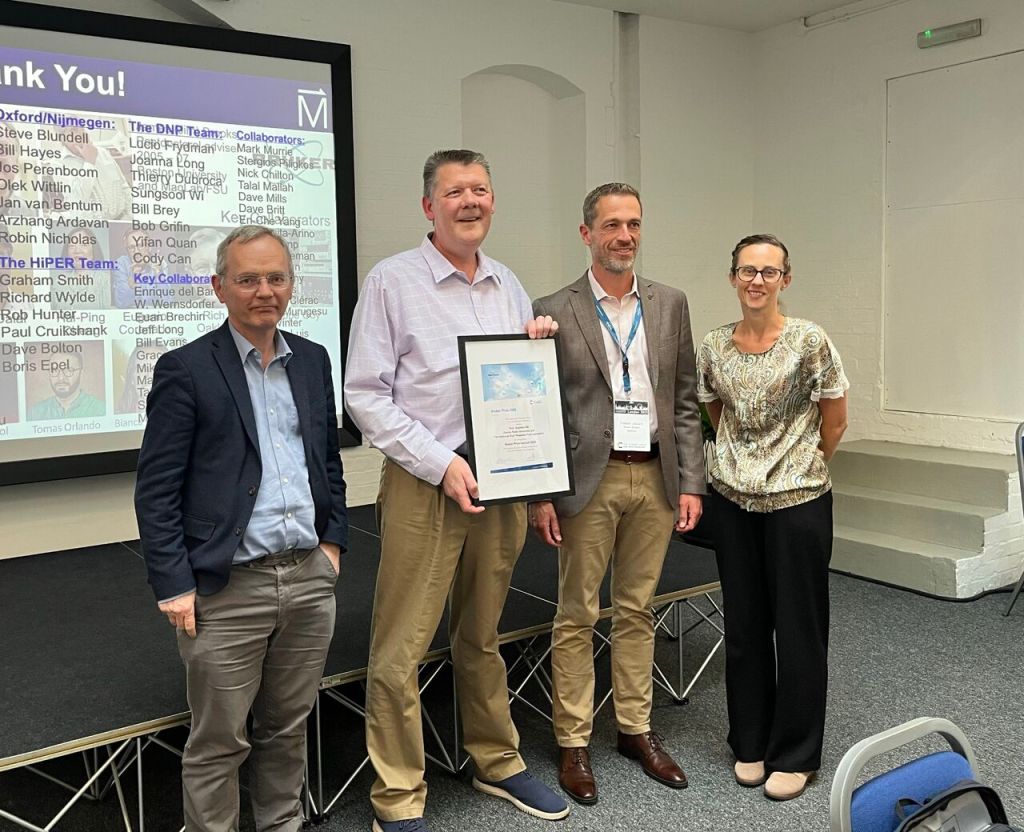
Bruker Prize Lecture 2025 – Steve Hill

Since 1986 Bruker BioSpin has generously sponsored an annual lectureship and prize, given to a scientist who has made a major contribution to the application of ESR spectroscopy in chemical or biological systems. The RSC ESR Spectroscopy Group and Bruker are excited to announce the Bruker lecturer 2025 Professor Stephen Hill for,

“his seminal contributions to EPR in terms of both world-leading and unique instrument design as well imaginative and expert application of high field EPR to the study of low dimensional systems. His work has opened up new avenues for EPR driven developments including in, but not limited to, the fields of quantum information science and the study of polymetallic transition metal complexes. Crucially, as Director of the Electron Magnetic Resonance user program at the NHMFL he has supported and fostered the international and national EPR communities with unique scientific expertise and admirable dedication.”

The 2025 Bruker lecture is the 40th Anniversary of this prestigious prize, and we are excited to celebrate this milestone and Stephen’s achievement at our London conference in spring 2025. The list of winners of the previous 39 prizes Bruker Prize is available here. We are grateful to Bruker for their longstanding support of this prize.

Source: https://www.esr-group.org/conferences/2025-conference-london/bruker-prizes-2025/